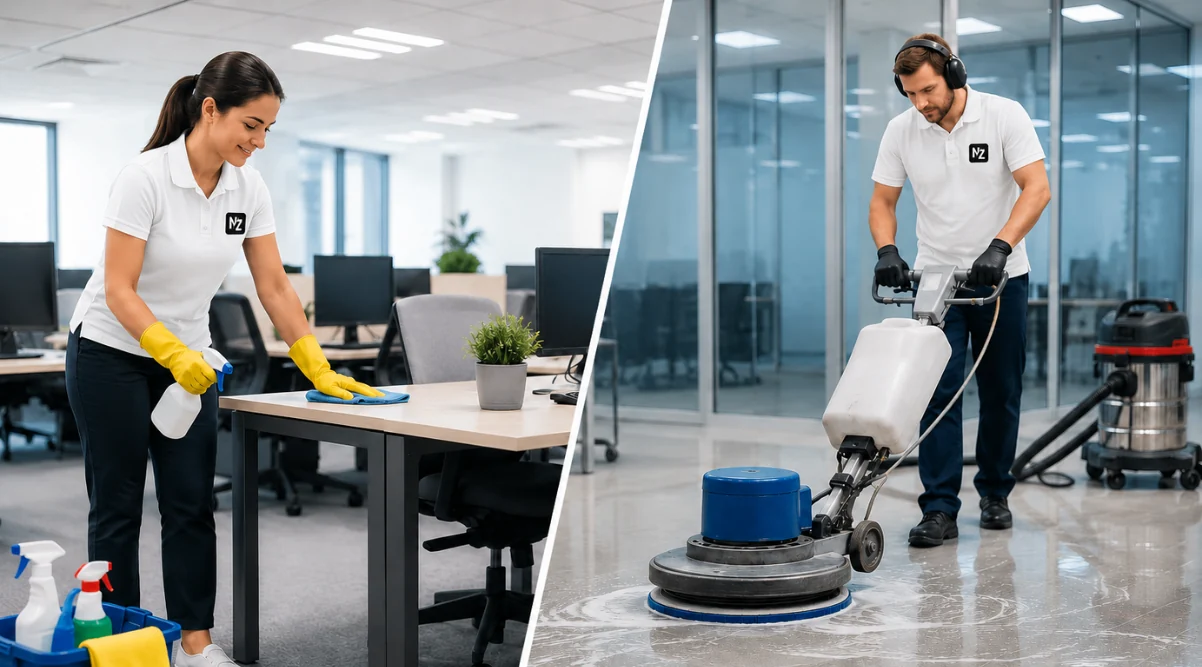
Commercial Cleaning Frequency By Industry
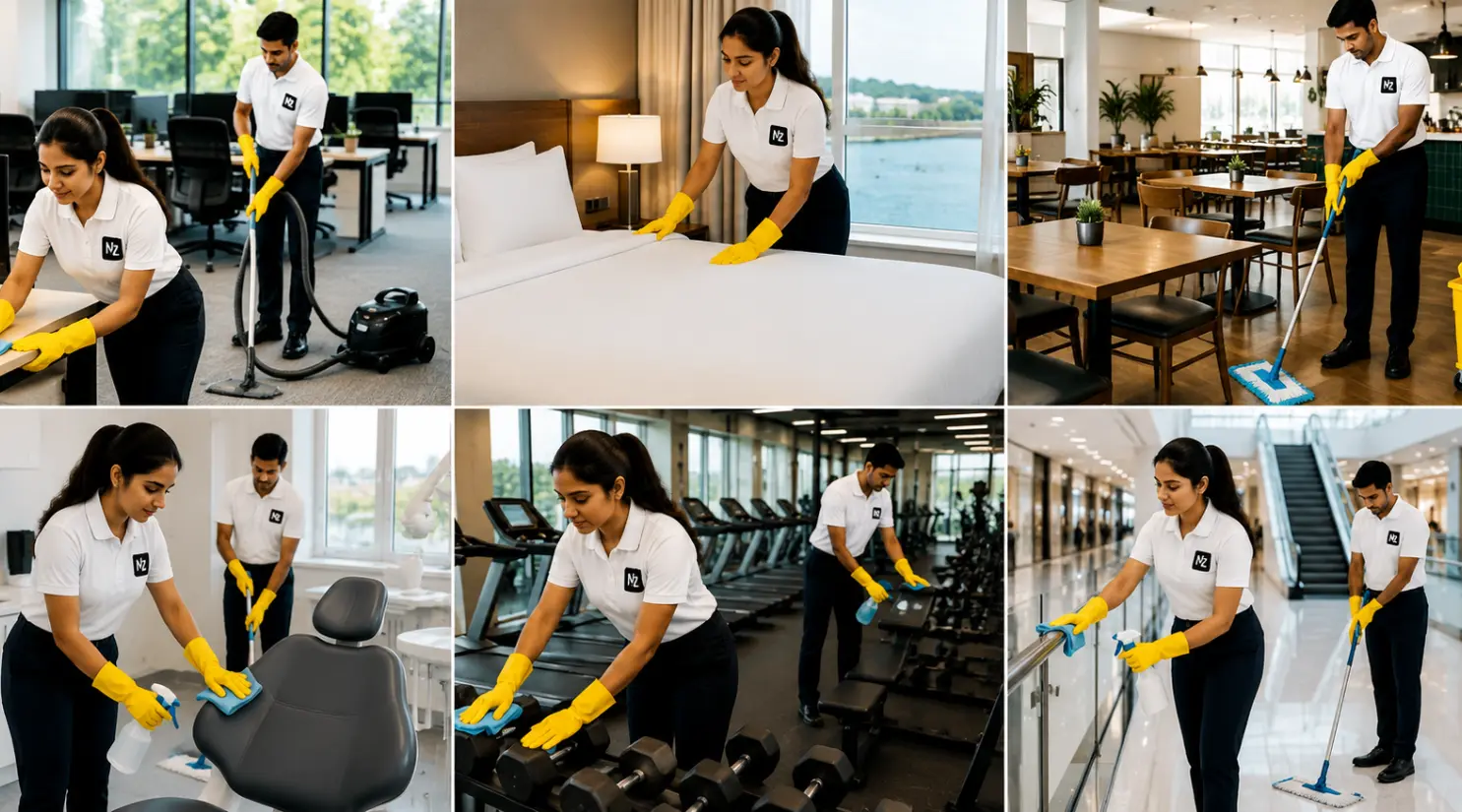
How often should a business be professionally cleaned? The answer depends on factors such as the industry, number of employees, customer foot traffic, premises size, and hygiene requirements.
A small office may need cleaning a few times a week, while a busy restaurant, medical facility, gym, or retail store may require more frequent attention. The right schedule helps maintain workplace hygiene without unnecessary cleaning costs.
Having provided commercial cleaning services across hundreds of commercial spaces throughout Auckland, Cleaning Era NZ has seen how cleaning needs can vary significantly between industries. Based on this experience, we’ve put together some practical tips to help businesses understand how often their premises should be professionally cleaned.
Why Does Commercial Cleaning Frequency Matter?
Regular commercial cleaning helps remove dust, dirt, spills, allergens, and germs from frequently used areas. It also helps maintain the appearance and condition of floors, carpets, furniture, bathrooms, and shared spaces.
High-touch areas such as door handles, light switches, kitchen counters, reception desks, and shared equipment may require frequent attention, particularly in busy workplaces.
The goal is not simply to clean more often, but to create a schedule that matches how your premises are used.
How Often Does Each Industry Need Commercial Cleaning?
The ideal schedule varies by industry, workplace size, foot traffic, and hygiene requirements. Here is a practical guide to common business types.
1. Offices
2–5 times per week
- Small offices may need two or three professional visits each week.
- Larger or busy offices may require more frequent cleaning.
- Focus on kitchens, bathrooms, reception areas, meeting rooms, floors, and high-touch surfaces.
For more guidance, see our office cleaning guide for advice on creating a suitable workplace routine.
2. Healthcare & Medical Facilities
Every day or more often
- Medical centres, dental practices, and clinics require high hygiene standards.
- Focus on waiting rooms, treatment areas, bathrooms, reception spaces, and floors.
- High-touch surfaces require regular cleaning and appropriate disinfection.
3. Restaurants & Cafés
Every day
- Kitchens and food preparation areas require consistent cleaning.
- Focus on floors, dining areas, tables, bathrooms, and high-touch surfaces.
- Busy areas may need attention more than once during operating hours.
4. Retail Stores
5–7 times per week
- Customer foot traffic is a major factor.
- Prioritise entrances, floors, counters, changing rooms, and customer areas.
- Busy stores generally benefit from frequent cleaning.
5. Gyms & Fitness Centres
Regular daily attention
- Shared exercise equipment requires frequent cleaning.
- Focus on machines, mats, changing rooms, showers, toilets, floors, and reception areas.
- High-touch surfaces should receive particular attention.
6. Schools & Childcare Facilities
Each day
- Classrooms, play areas, bathrooms, and shared spaces experience frequent use.
- Focus on floors, kitchens, entrances, and high-touch surfaces.
- Cleaning may need to increase during periods of illness or heavy use.
7. Warehouses & Industrial Premises
1–5 times per week
- Requirements depend on operations, dust, debris, and foot traffic.
- Manufacturing environments may need more frequent cleaning than storage facilities.
- Offices, kitchens, bathrooms, and staff areas should also be maintained regularly.
8. Hotels & Hospitality Businesses
Regular daily cleaning
- Guest rooms and shared areas require consistent attention.
- Focus on reception areas, corridors, bathrooms, dining spaces, and common facilities.
- Schedules should adapt to guest turnover and occupancy levels.
What Factors Affect Cleaning Frequency?
Industry is only one factor when determining the right cleaning schedule.
Foot Traffic
Busy premises accumulate dirt faster and generally require more frequent attention.
Number of Employees
More employees mean greater use of shared areas, bathrooms, kitchens, and workplace surfaces.
Type of Work
Food preparation, healthcare, manufacturing, childcare, and other specialised activities can create additional cleaning requirements.
Size of the Premises
Larger buildings may need a structured schedule that prioritises high-traffic areas.
Customer Expectations
Customer-facing businesses should pay particular attention to entrances, reception areas, bathrooms, floors, and other visible spaces.
Seasonal Conditions
Rain can bring additional dirt indoors, while periods of increased illness may require more attention to high-touch surfaces.
Routine Cleaning vs Deep Cleaning
Routine cleaning and deep cleaning serve different purposes.
Routine cleaning covers tasks such as vacuuming, mopping, removing rubbish, cleaning bathrooms, and wiping frequently touched surfaces.
Deep cleaning focuses on areas that do not need attention during every visit. This may include carpets, upholstery, difficult-to-reach areas, and other surfaces.
Read our guide to daily cleaning vs deep commercial cleaning to understand when each approach may be appropriate.
When Should a Business Have a Deep Clean?
The ideal frequency depends on the type of business, premises, and level of use. A deeper clean may be useful when:
- Dust has built up in difficult-to-reach areas.
- The premises have experienced unusually high foot traffic.
- Renovations or building work have taken place.
- The business is preparing for a busy period.
- The workplace has not received a detailed clean for several months.
- Carpets or upholstery have visible dirt or stains.
For commercial carpets that need more intensive treatment, professional carpet cleaning can complement your regular cleaning schedule.
How to Create the Right Cleaning Schedule
Start by identifying areas that need frequent attention, such as bathrooms, kitchens, entrances, reception areas, and high-touch surfaces.
For businesses that need ongoing support, professional office cleaning services can help maintain a consistent cleaning routine while allowing the schedule to be adjusted as workplace needs change.
Then identify weekly or periodic tasks, including detailed floor cleaning, carpet maintenance, interior glass cleaning, and less-accessible areas.
Review your schedule when your business changes. Increased staff numbers, higher customer traffic, expanded premises, or seasonal conditions may require adjustments.
Choose the Right Cleaning Frequency for Your Business
There is no one-size-fits-all cleaning schedule. The right frequency depends on your industry, foot traffic, workforce, premises, and daily activities.
Combining routine cleaning with periodic deep cleaning can help maintain a cleaner and more professional workplace.
If you’re unsure what cleaning schedule is right for your business, Cleaning Era NZ can help you choose a practical cleaning approach based on your workplace requirements.
For more information, call 021 080 18656 or get in touch with the team for a free quote.