How To Remove Dust From Furniture Without Spreading It Around

Why Proper Furniture Dusting Matters
Dusting furniture is not just about making surfaces look clean. Dust can collect on tables, shelves, cabinets and other surfaces, then become airborne when disturbed.
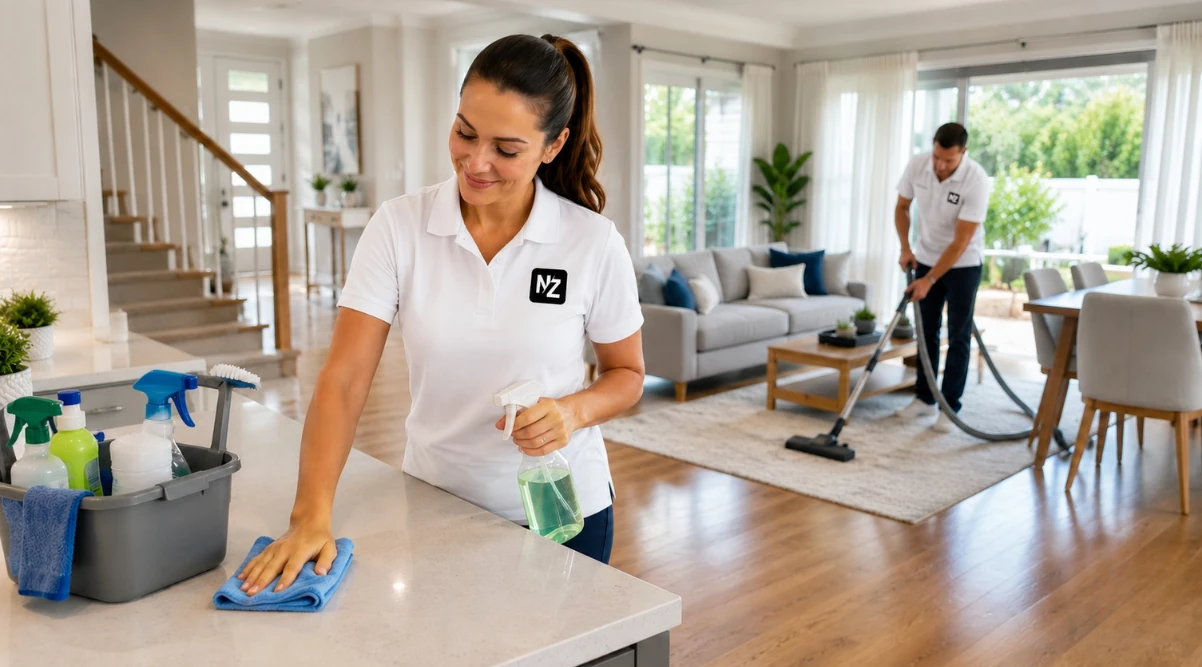
Using the right technique helps capture dust instead of spreading it to other areas of the room. Cleaning Era NZ recommends a careful, consistent approach to furniture cleaning to help maintain cleaner and more comfortable living spaces.
For Auckland homes, regular dusting can be especially useful for keeping furniture and living spaces looking fresh throughout the year.
Follow these simple steps to make furniture dusting more effective and prevent dust from settling back onto clean surfaces:
1. Choose the Right Dusting Tools
The tools you use can make a big difference when removing dust from furniture. Some dry cloths may simply move dust around instead of trapping it. A suitable microfiber cloth is often a better choice because its fibres can capture fine dust particles.
Useful tools include:
- Microfiber cloth: Helps trap dust instead of spreading it.
- Soft brush: Useful for detailed areas and delicate surfaces.
- Vacuum with a brush attachment: Helps remove dust from corners and edges.
- Damp cloth: Useful for wiping surfaces after loose dust has been removed.
For more practical cleaning ideas, you can also read our weekly home cleaning routine, which includes simple ways to keep different areas of your home consistently clean.
2. Start From the Top and Work Down
One of the simplest ways to prevent dust from spreading is to clean from higher surfaces to lower ones. Dust naturally falls as you clean, so starting at the bottom can mean cleaning the same area twice.
Begin with:
- Top shelves and cabinet surfaces
- Tall furniture and decorative items
- Tables and countertops
- Lower shelves and drawers
- Furniture legs and surrounding areas
This top-to-bottom method allows falling dust to be removed as you continue cleaning.
3. Use a Microfiber Cloth Correctly
A microfiber cloth works best when used with gentle, controlled movements. Instead of quickly wiping back and forth, move the cloth slowly across the surface to collect dust.
Fold the cloth into sections so you can use a clean side as dust builds up. Avoid shaking the cloth indoors, as this can release captured dust back into the air. Once the cloth becomes dirty, wash or replace it before continuing.
For delicate furniture, always check the manufacturer’s cleaning instructions before using moisture or cleaning products.
4. Vacuum Dust From Hard-to-Reach Areas
Dust often collects in places that are easy to overlook, including behind furniture, around edges and inside decorative grooves. A vacuum with a suitable brush attachment can help remove loose dust without pushing it into the air.
Pay attention to:
- Corners and edges
- Furniture joints
- Decorative details
- Behind and underneath furniture
- Around handles and fittings
- Gaps between furniture and walls
Using a vacuum first can be particularly helpful when there is a visible layer of loose dust.
5. Avoid Dry Dusting When There Is Heavy Build-Up
Dry dusting is useful for light, regular cleaning, but heavily dusty furniture may require a different approach. Aggressive wiping can send fine particles into the air and onto surrounding surfaces.
For heavier dust:
- Remove loose dust with a vacuum or soft brush.
- Use a clean microfiber cloth to capture remaining particles.
- If suitable for the surface, use a lightly damp cloth.
- Dry the surface afterward to prevent moisture marks.
Always use products that are appropriate for the specific furniture material.
6. Clean Decorative Items Before the Furniture
Decorative items such as picture frames, ornaments, lamps and vases can collect a surprising amount of dust. Cleaning the furniture around them without cleaning the items themselves can leave dust behind.
Remove smaller items where possible and clean them separately. Then dust the furniture surface underneath before putting everything back. This helps prevent dust from quickly returning to an otherwise clean surface.
7. Pay Attention to High-Dust Areas
Some furniture areas collect dust faster because they are exposed to airflow, fabric fibres and everyday activity. Regular attention to these areas can reduce heavy build-up.
Common high-dust areas include:
- Bookshelves
- TV cabinets
- Bedside tables
- Coffee tables
- Open shelving
- Desk surfaces
- Cabinet tops
Dust can also settle into carpets and other soft surfaces, so keeping these areas clean can help reduce the amount of dust circulating around the home. For deeper care of carpeted areas, professional carpet cleaning can be useful when routine vacuuming is not enough.
8. Finish With the Surrounding Floor
After dusting furniture, check the floor underneath and around it. Dust and small particles can fall during cleaning, so vacuuming or mopping afterward helps complete the process.
If you clean the floor first, you may need to repeat the job after dusting furniture. Following a top-to-bottom cleaning order saves time and helps prevent unnecessary repeat cleaning.
9. How Often Should Furniture Be Dusted?
The ideal dusting frequency depends on the home, furniture type and amount of dust produced. Auckland households may need to adjust their cleaning frequency depending on indoor conditions, pets, ventilation and everyday activity.
A simple routine could include:
- Light dusting: Several times a week where needed.
- General furniture cleaning: Once a week.
- Detailed cleaning: As required, especially around edges and decorative areas.
Regular cleaning is generally easier than waiting until thick layers of dust have accumulated.
10. When Professional Cleaning Can Help
Regular dusting can become time-consuming when a home has many rooms, large furniture pieces or areas that are difficult to reach. For Auckland homeowners and busy households, professional house cleaning can provide extra support with maintaining a clean and comfortable environment.
The same attention to dust control can also be important in workplaces, where dust can collect on desks, cabinets and shared surfaces. Businesses can consider commercial cleaning to help maintain cleaner and more presentable workspaces.
Professional cleaning may be useful for:
- Larger homes with multiple rooms
- Homes requiring regular cleaning
- Detailed cleaning of hard-to-reach areas
- Busy households with limited cleaning time
- One-off cleaning before or after a major change
Keep Furniture Cleaner With the Right Routine
Consistent furniture dusting helps prevent dust from building up and spreading to other areas of the home. Using suitable tools, cleaning from top to bottom and paying attention to hidden or hard-to-reach spaces can make the process more effective.
A consistent dusting routine can keep furniture looking cleaner and make everyday home maintenance easier. If you need extra help maintaining a clean home, Cleaning Era NZ offers professional cleaning support tailored to your needs.
For more information or to discuss your cleaning requirements, call 021 080 18656.