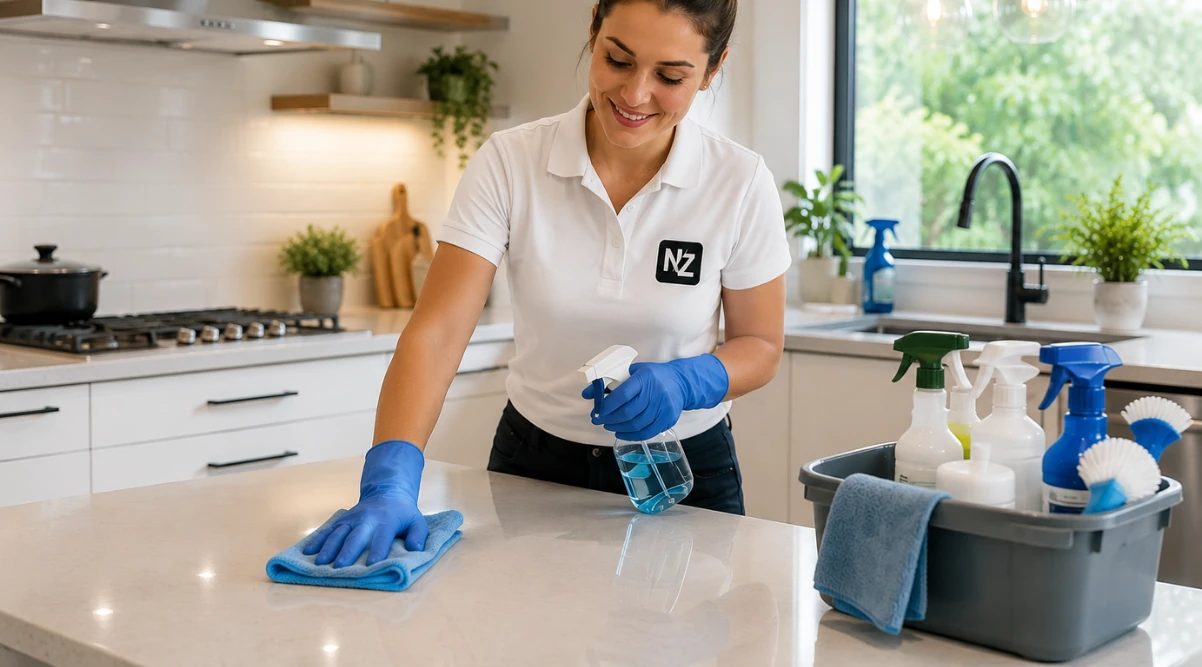
Kitchen Appliance Cleaning: Safe Methods Without Causing Damage
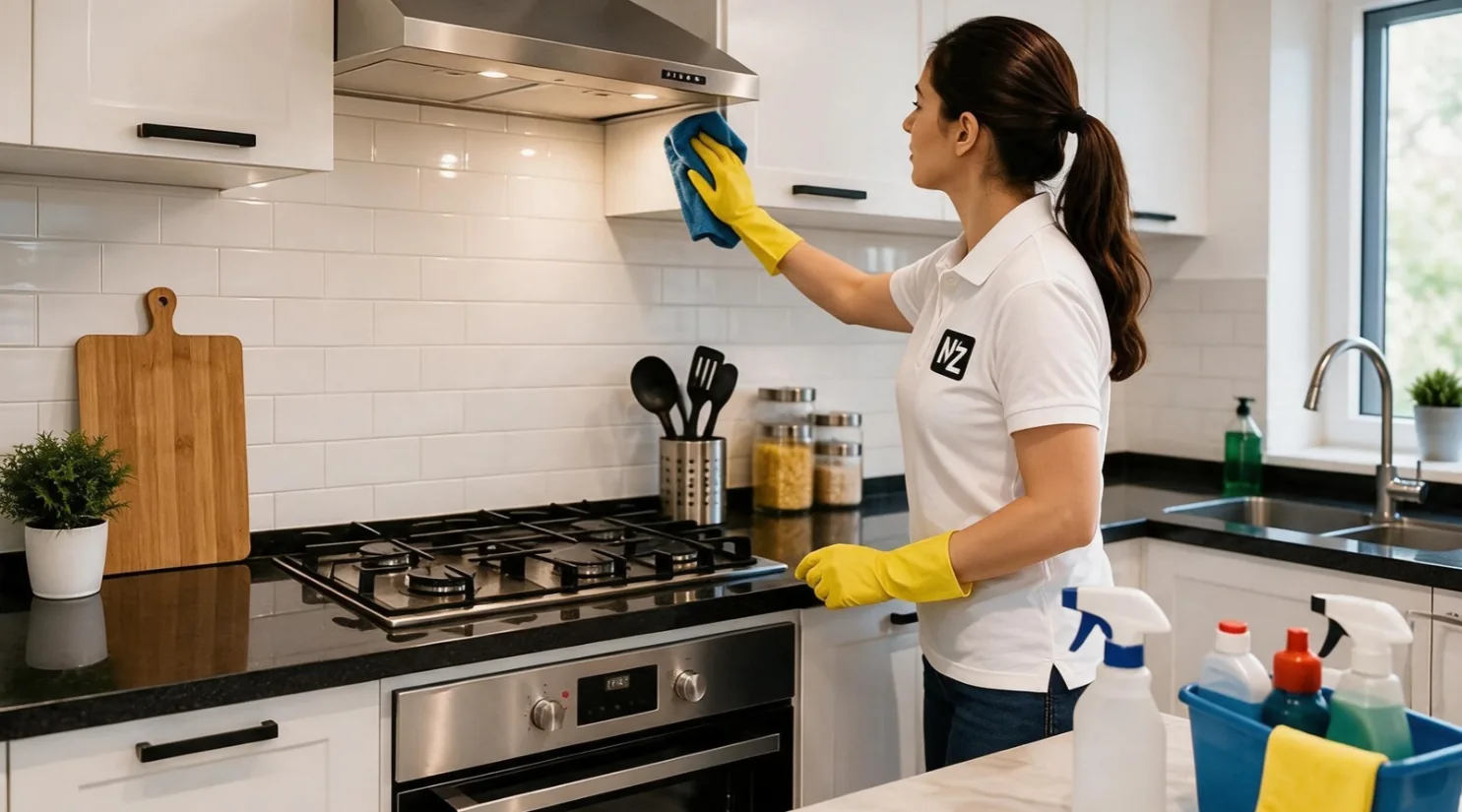
Kitchen appliances come into daily contact with food, grease, moisture and heat, making regular cleaning important for both hygiene and appliance maintenance.
However, different appliances require different cleaning methods. Using abrasive tools, excessive water or unsuitable chemicals can scratch surfaces, damage protective coatings or allow moisture to reach electrical components.
Cleaning Era NZ provides cleaning services across Auckland, where proper surface care is an important part of maintaining clean and well-kept kitchens. Understanding the correct way to clean each appliance can help remove stubborn buildup while reducing the risk of unnecessary damage.
Why Kitchen Appliances Need Different Cleaning Methods
Different appliances have different surfaces and electrical components, so using the same cleaning method for everything can cause damage. Before cleaning, consider:
- Check the surface: Glass, stainless steel, enamel and plastic may need different products.
- Avoid excess water: Keep moisture away from controls, vents and electrical parts.
- Use soft tools: Microfiber cloths and non-abrasive sponges help prevent scratches.
- Follow instructions: Check the manufacturer’s cleaning recommendations first.
- Clean regularly: Removing grease and food residue early makes deeper cleaning easier.
For more practical home-cleaning guidance, see our weekly cleaning routine.
Safe Cleaning Methods for Common Kitchen Appliances
Each appliance collects a different type of kitchen residue, from baked-on grease in ovens to food splashes in microwaves and oily deposits on rangehoods.
The cleaning approach should therefore match the appliance and the type of buildup. Gentle products, suitable tools and controlled moisture can make cleaning more effective without affecting the appliance’s finish or working parts.
The methods below explain how to clean each appliance safely and what to avoid.
Method 1: Oven Cleaning
- Let the oven cool completely.
- Remove loose crumbs and food residue.
- Use a suitable oven cleaner and soft sponge.
- Avoid abrasive scrubbers on coated surfaces.
- Keep moisture away from heating elements and controls.For detailed move-out cleaning, see End of Tenancy Cleaning, which includes kitchen and appliance cleaning.
Method 2: Microwave Cleaning
- Use steam to loosen dried food and grease.
- Wipe the interior with a soft, damp cloth.
- Wash the removable turntable separately.
- Avoid abrasive pads that can damage the interior.
- Keep liquid away from vents and electronic controls.
Method 3: Refrigerator Cleaning
- Remove food before cleaning shelves and drawers.
- Wipe spills promptly to prevent buildup and odours.
- Use a mild cleaner suitable for the interior.
- Clean door seals carefully.
- Keep water away from vents and electrical components.
Method 4: Stovetop Cleaning
- Allow the surface to cool before cleaning.
- Choose a cleaner suitable for glass, ceramic or stainless steel.
- Use a soft cloth or non-abrasive sponge.
- Avoid steel wool and harsh powders.
- Dry the surface after cleaning to prevent marks.
Method 5: Rangehood Cleaning
- Wipe grease from the exterior regularly.
- Use a suitable degreaser with a soft cloth.
- Clean removable filters according to the manufacturer’s instructions.
- Dry filters completely before replacing them.
- Never spray liquid directly into switches or electrical areas.
Cleaning Era NZ’s house cleaning services include kitchen cleaning as part of its range of residential cleaning options.
Common Mistakes That Can Damage Kitchen Appliances
Even simple cleaning can cause damage when the wrong products or techniques are used. Avoid these common mistakes:
- Using abrasive scrubbers: They can scratch glass, stainless steel and coated surfaces.
- Spraying directly on controls: Liquid can enter buttons, displays or electrical areas.
- Using too much water: Excess moisture can affect electrical components.
- Mixing cleaning chemicals: Some products can create harmful fumes or damage surfaces.
- Cleaning hot appliances: Sudden temperature changes may damage certain materials.
- Ignoring manufacturer instructions: Always check which products and methods are safe for your appliance.
Regular cleaning can help prevent heavy buildup and make kitchen appliances easier to maintain. For more guidance, read Signs Your Kitchen Needs Professional Cleaning.
How Often Should Kitchen Appliances Be Cleaned?
Cleaning frequency depends on how often each appliance is used and the amount of grease or food residue it collects.
- Stovetop: Wipe after cooking and deep clean regularly.
- Microwave: Clean whenever food splashes or spills occur.
- Refrigerator: Wipe spills immediately and clean the interior regularly.
- Oven: Deep clean when grease and baked-on residue start building up.
- Rangehood: Wipe the surface regularly and clean filters according to the manufacturer’s instructions.
Consistent appliance care helps prevent heavy buildup, maintain kitchen hygiene and protect appliance surfaces. For professional kitchen cleaning services,expert assistance can also be useful when grease and residue require deeper attention.
When Deeper Appliance Cleaning Is Needed
Some appliance buildup can be difficult to remove with everyday cleaning, especially when grease, burnt food or residue has been left for a long time. Deeper cleaning may be useful for:
- Heavily soiled ovens and stovetops
- Grease-covered rangehoods and filters
- Kitchens being prepared for a rental inspection
- End-of-tenancy cleaning
- Properties that have not been cleaned for an extended period
For more detailed move-out cleaning, end-of-tenancy cleaning services in Auckland can include kitchen areas and appliances.
When Deeper Appliance Cleaning Is Needed
Some appliance buildup can be difficult to remove with everyday cleaning, especially when grease, burnt food or residue has been left for a long time. Deeper cleaning may be useful for:
- Heavily soiled ovens and stovetops
- Grease-covered rangehoods and filters
- Kitchens being prepared for a rental inspection
- End-of-tenancy cleaning
- Properties that have not been cleaned for an extended period
For properties requiring a more thorough clean, explore end-of-tenancy cleaning for further service information.
A Cleaner Kitchen Every Day
A clean kitchen involves more than wiping visible surfaces. Grease, food residue and dust can build up around appliances, benchtops, cabinets, splashbacks and floors. Regular cleaning helps support kitchen hygiene and keeps these areas easier to manage.
For households that need extra support, kitchen and house cleaning services in Auckland can provide a practical solution for keeping different areas of the home clean and well cared for.
Keeping Your Kitchen Clean and Well Maintained
Kitchen appliances deal with heat, grease, food spills and moisture every day, which makes them prone to stubborn stains and residue.
However, cleaning them incorrectly can cause scratches, damage protective coatings or affect electrical components. From ovens and microwaves to refrigerators, stovetops and rangehoods, each appliance requires appropriate care.
Cleaning Era NZ, serving households across Auckland, provides professional cleaning support for homes that need extra attention. For cleaning enquiries or service information, contact Cleaning Era NZ on 021 080 18656.