House Cleaning Checklist: What Professional Cleaners Focus On First
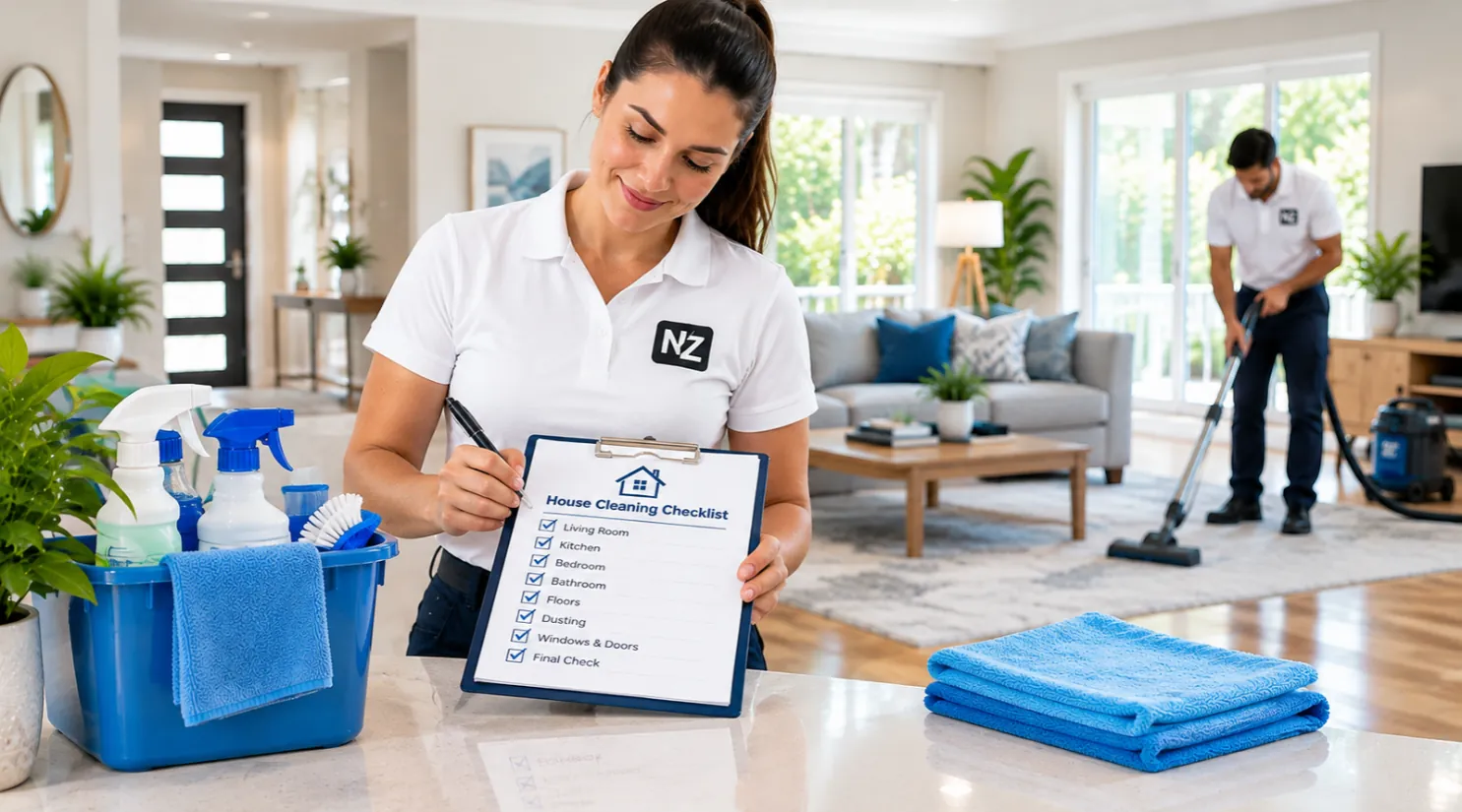
Cleaning a property thoroughly involves more than removing visible dust and dirt. The order of cleaning tasks matters because it helps prevent cross-contamination, reduces repeated work and ensures that important areas receive proper attention. Professional cleaners generally assess the property first, identify high-use areas and work systematically from one space to another.
Whether you are maintaining a home, preparing a rental property for inspection or arranging workplace cleaning, understanding this process can help you create a more effective cleaning routine.
Cleaning Era NZ shares practical cleaning guidance for households and businesses in Auckland, where busy schedules and changing weather can influence how often different spaces need attention.
Assessing the Property Before Cleaning
Before starting, professional cleaners evaluate the size, condition and cleaning requirements of the property. This initial assessment helps them identify problem areas, choose suitable products and organise the work efficiently.
The first checks typically include:
- Identifying visible dirt, stains and areas with heavy foot traffic.
- Checking kitchens, bathrooms, bedrooms and frequently touched surfaces.
- Noting delicate materials that require specific cleaning methods.
- Determining whether regular house cleaning or a deeper clean is needed.
- Preparing suitable equipment and cleaning products.
This step is particularly important for professional office cleaning, where different rooms may require different levels of attention. A meeting room, reception area and staff kitchen all have distinct cleaning requirements.
For residential properties, professional house cleaning services can cover routine maintenance as well as more detailed cleaning tasks, depending on the agreed service.
Cleaning High-Touch Surfaces First
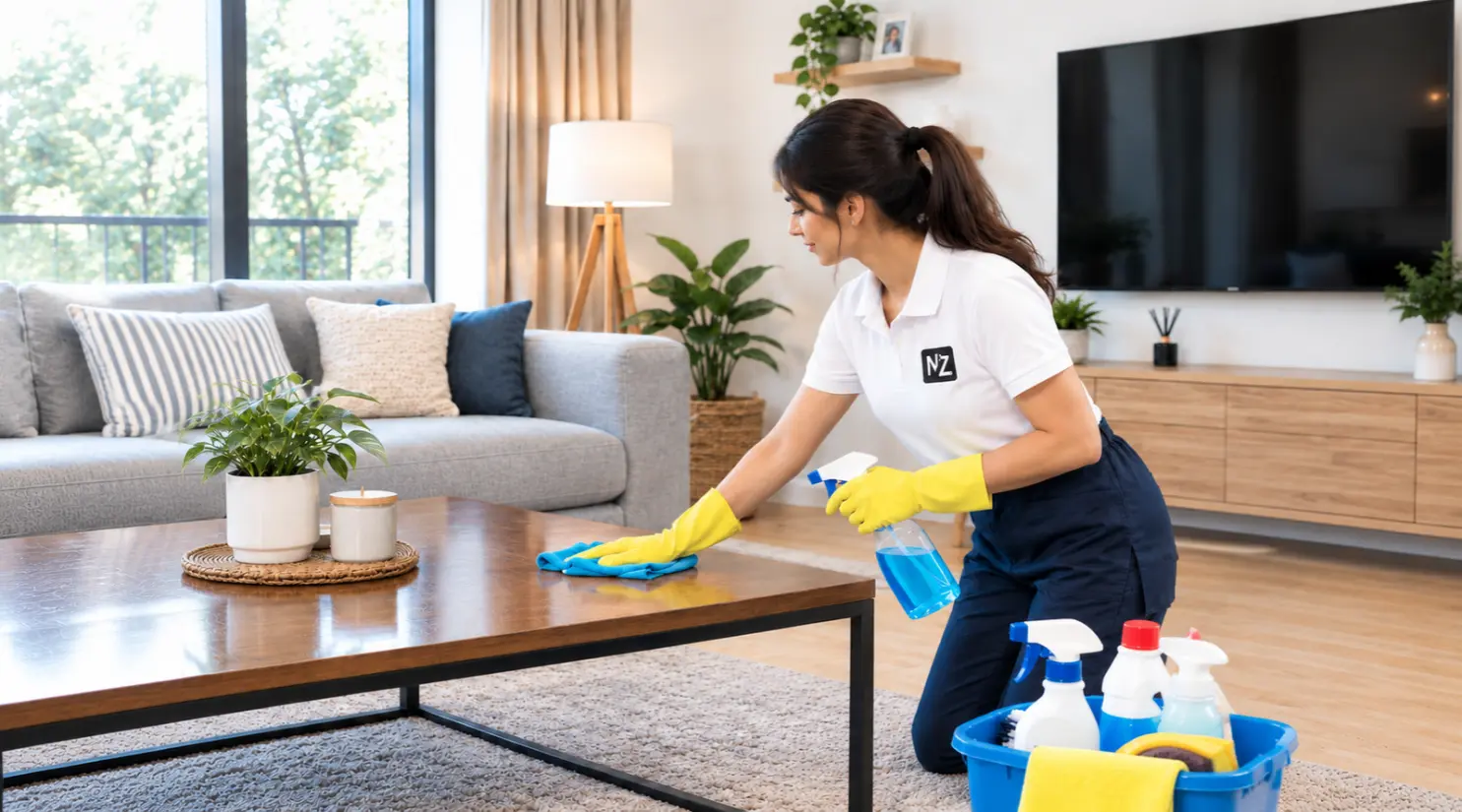
Door handles, light switches, desk surfaces, handrails and shared equipment are touched frequently throughout the day. These surfaces can collect dirt and germs, making them an important priority during routine cleaning.
A professional cleaning checklist should include:
- Wiping door handles and frequently used switches.
- Cleaning shared tables and accessible work surfaces.
- Disinfecting suitable high-touch points with appropriate products.
- Cleaning reception counters and meeting room tables.
- Following product instructions for contact time and surface compatibility.
In an office environment, these tasks support a cleaner shared workspace. A reliable office cleaning crew also uses appropriate cloths and equipment for different areas, helping reduce the risk of transferring dirt between surfaces.
For more practical advice, read How to Clean and Disinfect High-Touch Areas in Your Home.
Starting with Dusting and Hard-to-Reach Areas
Dusting usually takes place before vacuuming or mopping because particles can fall onto lower surfaces during the process. Starting at higher points helps avoid cleaning the same area twice.
Professional cleaners commonly focus on:
- Shelves, cupboards and accessible ledges.
- Skirting boards, window sills and furniture edges.
- Light fittings and ceiling corners where safely accessible.
- Air vents and accessible grilles.
- The tops of cabinets and other frequently overlooked surfaces.
A more detailed clean may also involve moving suitable furniture to reach hidden dust. Dusting methods should suit the surface being cleaned, as delicate electronics, polished furniture and decorative items may require specific tools rather than a wet cloth or strong cleaning solution.
For further guidance, explore How to Remove Dust from Furniture Without Spreading It Around.
Giving Kitchens and Break Rooms Special Attention
Kitchens and staff break rooms often require extra care because they combine food preparation, shared equipment and frequently used surfaces. Grease, food residue and spills can build up quickly if cleaning is inconsistent.
A kitchen cleaning checklist should cover:
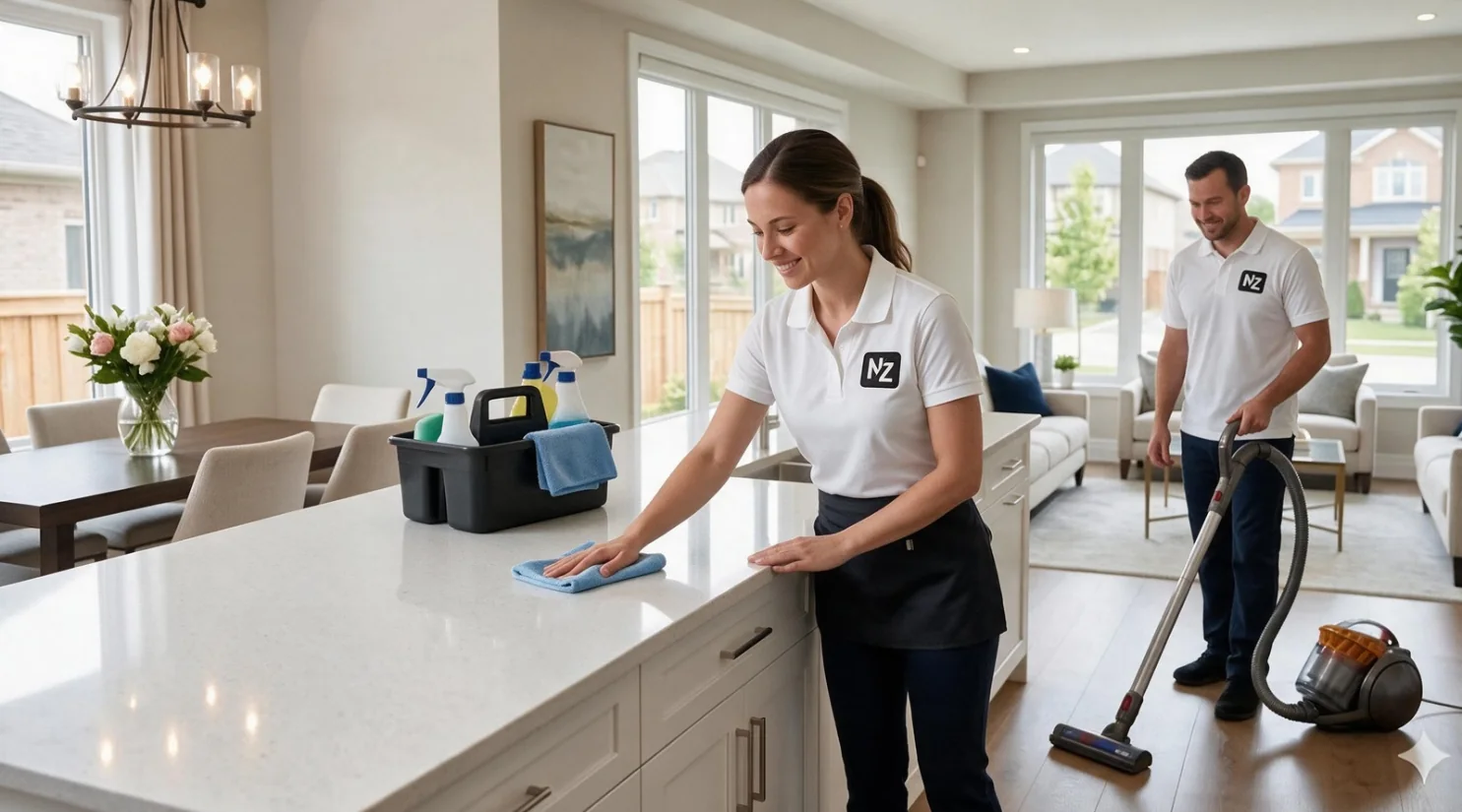
- Wiping benchtops and suitable food preparation surfaces.
- Cleaning sinks, taps and splashbacks.
- Removing crumbs and food residue from tables.
- Wiping the exterior of frequently used appliances.
- Emptying rubbish bins and replacing liners when needed.
- Checking cupboard handles and other high-touch points.
For office spaces, general office cleaning should include shared kitchen areas as part of the regular schedule. More intensive cleaning may be necessary when grease or stubborn residue accumulates.
For additional guidance, see Kitchen Appliance Cleaning: Safe Methods Without Causing Damage.
Cleaning Bathrooms and Toilets Thoroughly
Bathrooms need a consistent cleaning process to manage moisture, soap residue, odours and everyday contamination. Professional cleaners typically use separate cloths and equipment for toilets and other bathroom surfaces to maintain appropriate hygiene standards.
The checklist should include:
- Cleaning and disinfecting toilet surfaces.
- Scrubbing basins and wiping taps.
- Cleaning mirrors and accessible fixtures.
- Wiping frequently touched handles and switches.
- Removing soap residue from suitable surfaces.
- Checking bins, supplies and visible signs of moisture.
- Mopping the floor after other cleaning tasks are complete.
Bathrooms in commercial properties may need more frequent attention depending on staff numbers and visitor traffic. A suitable commercial cleaning schedule should reflect how heavily each facility is used.
In homes, regular bathroom maintenance helps prevent stubborn build-up and reduces the amount of work required during a deep clean.
Deep Cleaning Areas Around the House
Regular cleaning helps maintain a tidy home, but some areas need additional attention because dirt and grime can accumulate over time. Deep cleaning focuses on places that may not receive attention during everyday household cleaning.
A house deep cleaning checklist can include:
- Cleaning skirting boards, door frames and window sills.
- Removing dust from accessible ceiling corners and light fittings.
- Cleaning cupboard fronts and handles.
- Removing grease from suitable kitchen surfaces and splashbacks.
- Scrubbing bathroom tiles and removing soap residue from suitable surfaces.
- Cleaning behind and beneath movable furniture where accessible.
- Vacuuming upholstery and rugs according to their material.
- Wiping shelves and cabinet tops that are often overlooked.
Deep cleaning can be particularly useful before guests arrive, during seasonal household maintenance or when a property needs a more thorough refresh. The exact tasks depend on the property’s condition and the agreed cleaning scope.
For seasonal cleaning ideas, read Auckland Spring Cleaning Checklist – Refresh Your Home.
Cleaning Bedrooms and Living Areas Thoroughly
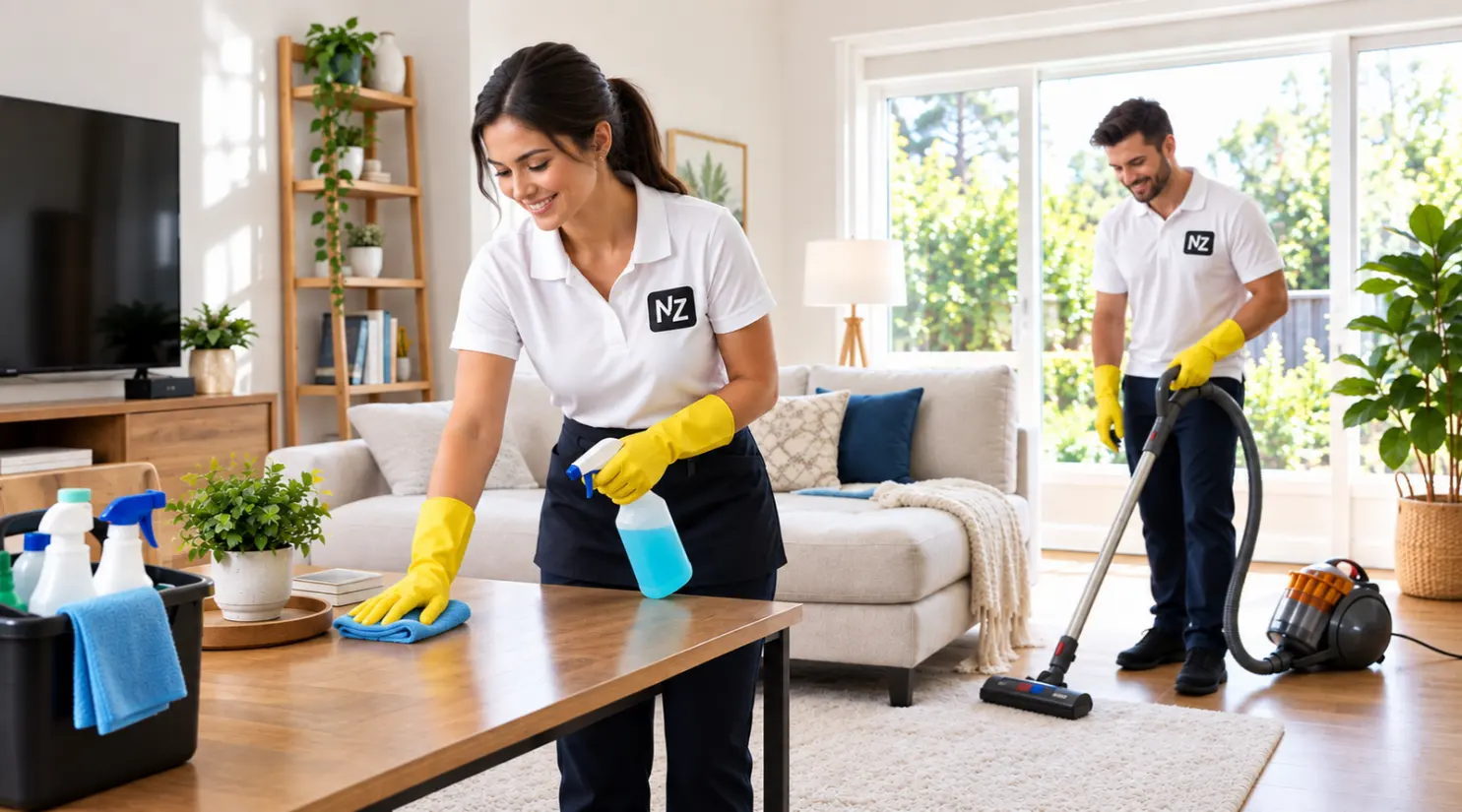
Bedrooms and living rooms collect dust from everyday activities, fabrics and regular foot traffic. Dirt can accumulate around furniture, textiles and less accessible surfaces, even when the rooms appear tidy.
Professional cleaners may focus on:
- Dusting bedside tables, shelves and accessible furniture.
- Wiping door handles, light switches and other frequently touched points.
- Cleaning mirrors and suitable glass surfaces.
- Vacuuming carpets, rugs and accessible areas beneath furniture.
- Removing dust from skirting boards and window ledges.
- Wiping suitable furniture surfaces and decorative shelves.
- Vacuuming upholstery when included in the service.
Bedding changes, wardrobe organisation and cleaning inside drawers should be confirmed separately, as these tasks may not be included in standard house cleaning services.
For a more thorough home clean, Cleaning Era NZ house cleaning services cover different residential cleaning needs, from routine maintenance to deep cleaning.
Vacuuming Rugs and Cleaning Floors Last
Floors are generally cleaned after dusting and surface wiping so that fallen particles and debris can be removed in one pass. This approach helps maintain a consistent finish across the property.
Professional cleaners usually:
- Vacuum carpets and rugs thoroughly.
- Pay attention to corners and accessible areas beneath furniture.
- Sweep hard floors before mopping.
- Use cleaning solutions suitable for each floor type.
- Address visible spills and stains with appropriate methods.
- Allow cleaned floors to dry safely before regular use.
Rug cleaning may require additional treatment when fibres contain embedded dirt, odours or stubborn stains. Specialist cleaning methods can be more suitable than routine vacuuming alone.
Businesses arranging commercial cleaning services in Auckland should also consider entryways and corridors, as these areas often collect outdoor dirt and moisture.
Checking Offices, Desks and Shared Workspaces
A clean workplace supports a more organised environment for employees and visitors. However, effective office cleaning services involve more than emptying bins and wiping desks.
A practical workplace checklist includes:
- Cleaning accessible desk surfaces without disturbing personal belongings.
- Wiping meeting tables and shared counters.
- Emptying bins and checking recycling areas.
- Vacuuming carpets and cleaning hard floors.
- Removing fingerprints from suitable glass surfaces.
- Checking reception areas and entrances.
- Confirming that shared spaces are tidy and ready for use.
Professional office cleaning contractors should follow an agreed scope of work so that essential tasks are completed consistently. Depending on the building, business office cleaning may also include scheduled detail cleaning for less frequently used spaces.
Businesses should establish a clear frequency for routine tasks and arrange periodic deep cleaning where necessary. For more information, read How Often Should You Schedule Office Cleaning for Best Results?.
Handling Deep Cleaning and End-of-Lease Requirements
Routine cleaning maintains general cleanliness, while deep cleaning addresses accumulated grime and areas that may not be covered during everyday maintenance.
A deeper service may include detailed attention to corners, fixtures, cupboard interiors and other neglected areas, depending on the agreed scope. Deep cleaning office services can be useful when a workplace needs a more comprehensive refresh.
Rental properties have different requirements. End of tenancy cleaning usually involves a room-by-room clean before the property is handed back, with attention to kitchens, bathrooms, floors and other areas specified in the tenancy agreement or inspection checklist.
When arranging end of tenancy cleaning in Auckland, confirm which tasks are included and whether additional services, such as carpet or rug cleaning, are required.
You can also explore the End of Tenancy Cleaning Checklist for Optimal Results for a detailed room-by-room guide.
Completing a Final Quality Check
Before finishing, professional cleaners review the property to identify anything that may have been missed. This final inspection helps ensure the completed work matches the agreed checklist.
The final review should cover:
- Empty bins and tidy shared areas.
- Clean and dry sinks, taps and benchtops.
- Dust-free accessible surfaces.
- Clean floors without obvious debris.
- Neat reception areas and meeting rooms.
- Any specific tasks requested before the clean began.
For rental properties, it is also helpful to understand the areas that may receive extra attention during an inspection. Read What Property Managers Inspect Before Returning Your Bond for more cleaning guidance.
Understanding What Professional Cleaners Prioritise
Professional cleaning involves more than removing visible dirt; it requires a systematic approach to keep every area clean and well maintained. High-touch surfaces, kitchens, bathrooms and floors often need different cleaning methods to achieve the best results.
From routine house cleaning to detailed deep cleaning, following the right order helps reduce repeated work and ensures that overlooked areas receive proper attention.
Cleaning Era NZ, serving households across Auckland, provides professional cleaning support for homes that need extra attention. For cleaning enquiries or service information, contact on 021 080 18656.