What Property Managers Inspect Before Returning Your Bond
What Property Managers Inspect Before Returning Your Bond: Key Checks
Moving out of a rental property involves more than packing your belongings and handing back the keys. Before your bond is refunded, a property manager or landlord will generally check the property’s condition and may compare it with the original inspection report.
If you’re renting a property in Auckland, knowing what property managers check before returning the bond can help you prepare the home properly. Paying attention to cleanliness, damage, repairs, missing items and the overall condition of the property can make the final inspection smoother and reduce the risk of disagreements.
If you need help getting your rental ready, Cleaning Era NZ provides professional end of tenancy cleaning services that can help prepare a property for its final inspection.
Why Is the Final Rental Inspection Important?
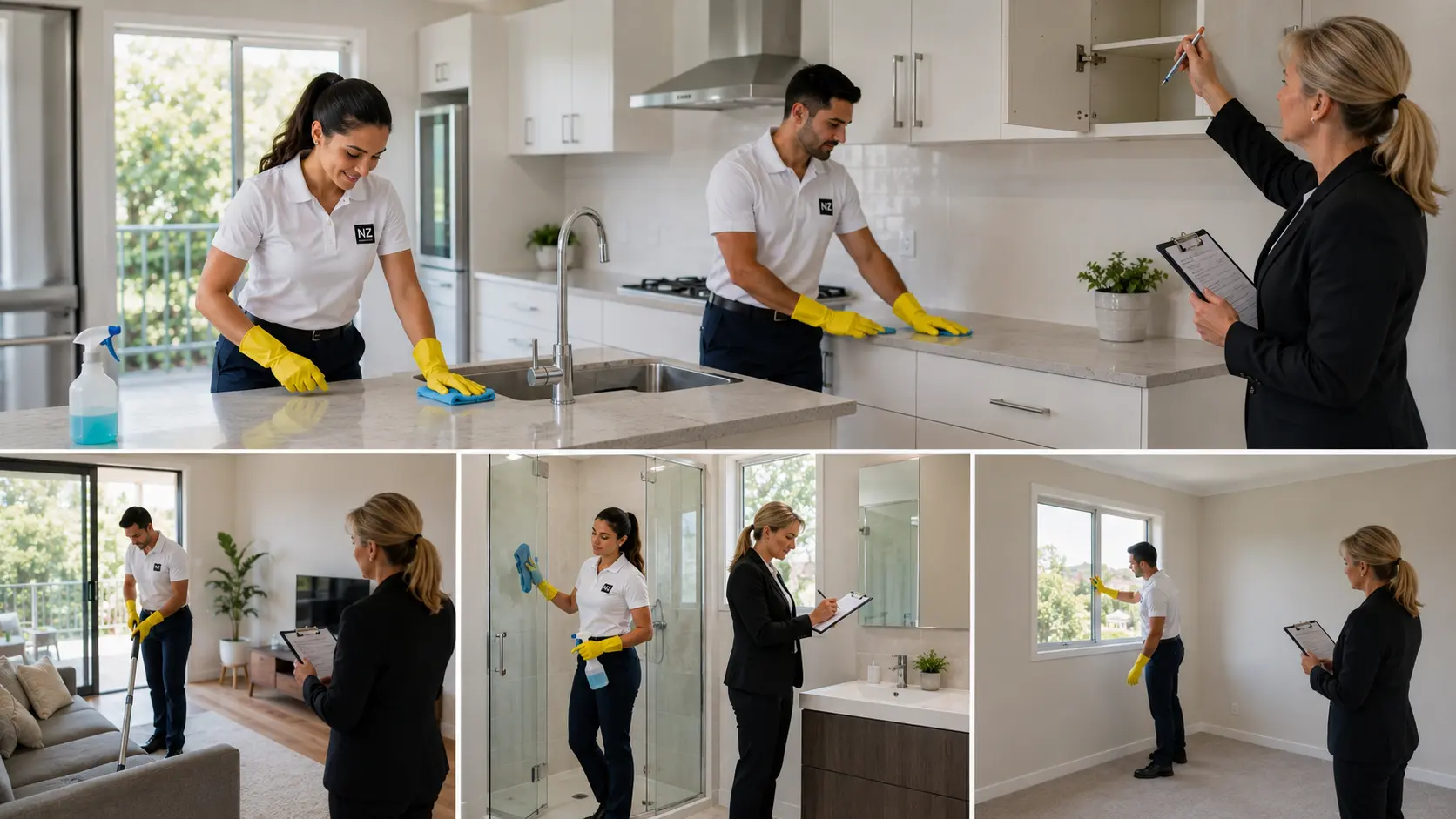
A final rental inspection gives the property manager or landlord an opportunity to assess the property’s condition at the end of the tenancy. They may compare what they see with the original inspection report and photographs from when the tenancy began.
Tenancy Services recommends that the final inspection takes place after the tenant has removed their belongings and completed cleaning. Taking photographs can also help document the property’s condition.
For those renting in Auckland, completing this inspection carefully can help identify cleaning, maintenance or damage concerns before the tenancy is fully closed.
1. Cleaning and Overall Property Condition
Cleanliness is one of the main areas checked during a final inspection. Property managers may look throughout the property, including areas that are easy to overlook.
Areas commonly checked:
- Floors and carpets
- Kitchen surfaces
- Oven and appliances
- Bathroom fixtures
- Cupboards and drawers
- Wardrobes
- Windows and tracks
- Doors and handles
- Skirting boards
- Laundry areas
Pay particular attention to dust, grease, soap residue and dirt in corners or less visible areas.
If you’re preparing the property yourself, this end of tenancy cleaning guide can help you work through the home room by room.
2. Damage, Repairs and Fair Wear and Tear
Property managers may compare the property’s current condition with the original inspection report.
They may check for:
- Wall marks or holes
- Broken doors or handles
- Damaged cupboards
- Cracked fixtures
- Broken windows
- Carpet damage
- Damaged blinds
- Missing fittings
- Other significant damage
It is important to understand that fair wear and tear is different from damage. Normal deterioration from everyday use is generally treated differently from damage caused during the tenancy.
Keep your original photographs and inspection records because they can help show what condition the property was in when you moved in.
3. Kitchen, Bathroom and Flooring Checks
High-use areas usually need extra attention before the final inspection.
In the kitchen, check:
- Oven and stovetop
- Rangehood and filter
- Sink and taps
- Benchtops
- Splashbacks
- Cupboards and drawers
- Dishwasher
- Kitchen floor
Remove built-up grease, food residue and dirt, including around appliances and in less visible areas.
If you’re wondering whether your kitchen needs more than a regular clean before the final inspection, this guide on when to book a professional kitchen clean can help you identify when professional cleaning may be worthwhile.
In the bathroom, check the shower, shower glass, toilet, basin, taps, mirrors, tiles, grout and floors. Pay attention to soap residue, mould and dirt around fixtures.
Floors and carpets should also be checked for excessive dirt, stains and marks.If carpets need deeper attention before the inspection, these carpet cleaning tips can help you prepare them.
4. Keys, Access Devices, Bins and Outdoor Areas
The final handover isn’t limited to the inside of the house. Make sure all keys and access devices provided at the start of the tenancy are returned.
These may include house keys, garage remotes, mailbox keys, security cards and gate remotes.
Property managers may also check outdoor areas, garages, sheds and storage spaces. Remove rubbish, unwanted furniture, garden waste and personal belongings before leaving.
Don’t forget council rubbish, recycling and organics bins where applicable. Check that the required bins are still at the property and that no rubbish has been left behind.
5. Rent, Records and Bond Refund
Before the bond refund is completed, any outstanding rent or other relevant tenancy costs may need to be addressed.
Keep copies of:
- Original inspection reports
- Final inspection records
- Property photographs
- Rent payment records
- Cleaning receipts
- Repair receipts
- Emails and messages
How the New Zealand Bond Refund Process Works
Bond transactions are now handled online through Bond Hub or integrated property-management software.
For a bond refund submitted through Bond Hub, tenants receive a notification and have 12 working days to respond. A completed bond refund can take up to 10 working days to process once received by Tenancy Services.
If you disagree with the proposed bond refund, discuss the issue with the landlord or property manager. If an agreement cannot be reached, either party can apply to the Tenancy Tribunal.
6. What Happens If There Is a Bond Dispute?
A disagreement can happen if the tenant and landlord have different views about damage, cleaning or a proposed deduction.
If you disagree:
- Discuss the issue with the landlord or property manager.
- Review the original inspection report.
- Compare before-and-after photographs.
- Provide relevant receipts or records.
- Try to reach an agreement.Consider mediation or the Tenancy Tribunal if the issue cannot be resolved.
Tenancy Services provides information about resolving bond disagreements and applying to the Tenancy Tribunal when an agreement cannot be reached.
7. Remove All Personal Items and Rubbish
Before handing the property back, check every room and storage area to make sure nothing has been left behind.
- Pay particular attention to:
- Wardrobes and drawers
- Kitchen cupboards
- Garage and shed
- Laundry area
- Outdoor storage
- Garden areas
- Rubbish and unwanted furniture
Removing all personal belongings and rubbish helps ensure the property is ready for the final handover and avoids unnecessary follow-up after you move out.
How to Make Your Final Inspection Easier
Don’t leave everything until moving day. Start preparing several days ahead and work through the property systematically.
A simple approach is to:
- Review the original inspection report.
- Clean each room thoroughly.
- Check for damage or missing items.
- Remove all personal belongings.
- Return keys and access devices.
- Take photographs after cleaning.
- Keep relevant receipts and documents.
- Attend the final inspection where possible.
For more general cleaning advice, these house cleaning tips can also help you prepare different areas of the home.
Get Your Rental Ready with Cleaning Era NZ
Preparing a rental for its final inspection can take time, especially when the kitchen, bathrooms, floors, carpets and other high-use areas need detailed attention.
Cleaning Era NZ can help tenants prepare their rental properties with professional end of tenancy and deep cleaning services.
Our team can help clean kitchens, bathrooms, floors, carpets and other areas that may need attention before the final handover.
Preparing for your final inspection? Contact Cleaning Era NZ on 021 080 18656 for a free quote and give your rental property a clean, fresh finish before handing back the keys.